
Services
Moss control
Moss is a symptom, usually of damp, compacted ground and thin grass. We fix the conditions that let moss take over, so the lawn improves year-on-year, not just for a week.
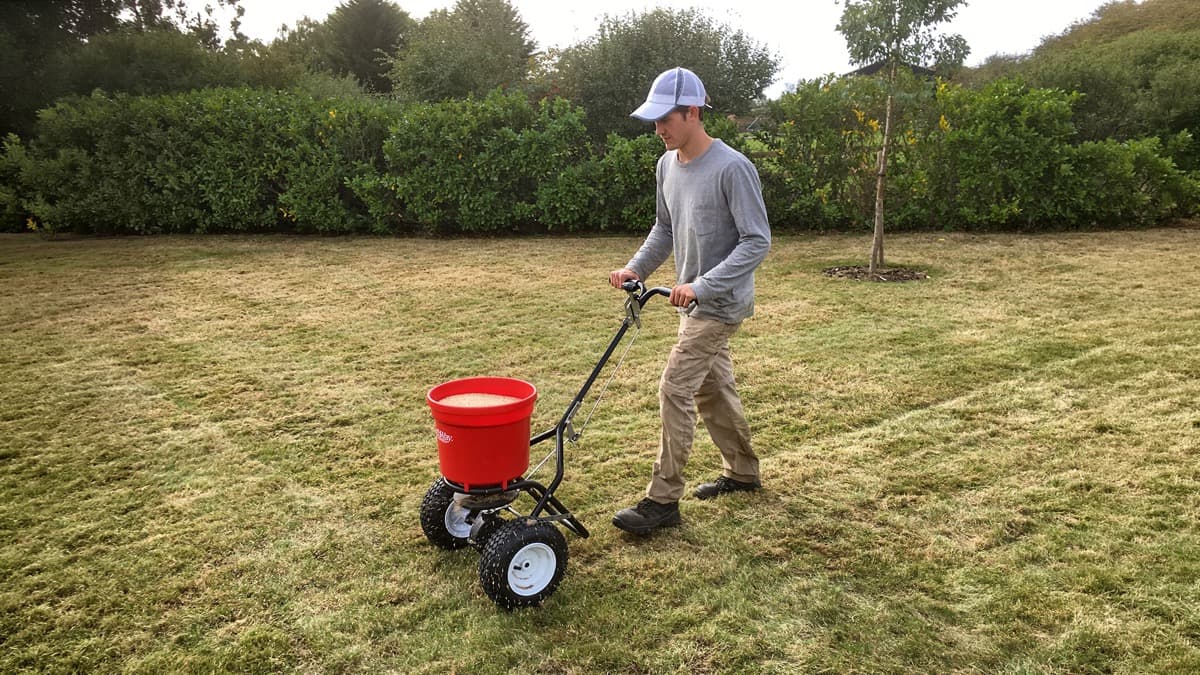
Why moss takes over
Moss is the most common lawn problem we see across Essex. It grows where grass can't compete. The usual culprits:
- Shade - under trees, next to fences and buildings
- Poor drainage - compacted or waterlogged soil
- Thatch buildup - dead material smothering the grass
- Low soil fertility - grass is underfed and can’t outcompete moss
- Scalped mowing - cutting too short weakens the grass
If you've used iron sulphate before, you'll know it turns moss black within days. It looks like it's working. But lift that dead moss a month later and you'll find the same conditions underneath.
Shop-bought moss killer (usually iron sulphate) will blacken moss temporarily, but it doesn't address the underlying problems. The moss comes back within weeks. It can also leave rust-coloured stains on patios, paths and drives, and a layer of dead black moss sitting on the lawn that still needs removing.
Iron free moss control
We don't use iron sulphate as a quick fix. Our approach:
- Scarification - to remove moss and thatch mechanically
- Aeration - to improve drainage and rooting
- Overseeding - to thicken the lawn and close gaps
- Better mowing height - and seasonal nutrition to build resilience
The result: less moss pressure over the season, and a lawn that stays healthier.
Why we don't use iron sulphate
Because we prefer a method that's:
- Safer for pets and children - no concerns about pets or children walking on treated areas
- Better for your lawn - we fix the conditions moss thrives in, not just the symptoms
- No staining risk - no risk of rust stains on your patios, paths and drives
Iron sulphate blackens moss for a cosmetic result, but the dead moss still needs removing and the conditions that caused it remain. We skip straight to fixing the problem.
Related: Scarification & Overseeding → · Lawn Aeration →
Signs your lawn needs moss treatment
You might already know you have moss. But the question is whether it's a surface problem or a sign of something deeper. If any of these sound familiar, the conditions underneath are the real issue:
- Green, spongy patches that aren’t grass
- The lawn feels soft and bouncy underfoot
- Brown areas appear after rain (waterlogged moss)
- Moss keeps returning despite products you’ve tried
- Large sections with little actual grass underneath
What to expect
- Immediately: you’ll see how much dead material was hiding. The surface is cleaner and the soil can breathe again
- 2-6 weeks: density improves as seed establishes and grass thickens
- Season-on-season: moss pressure reduces because the lawn stays drier at the surface and healthier overall
Real transformations
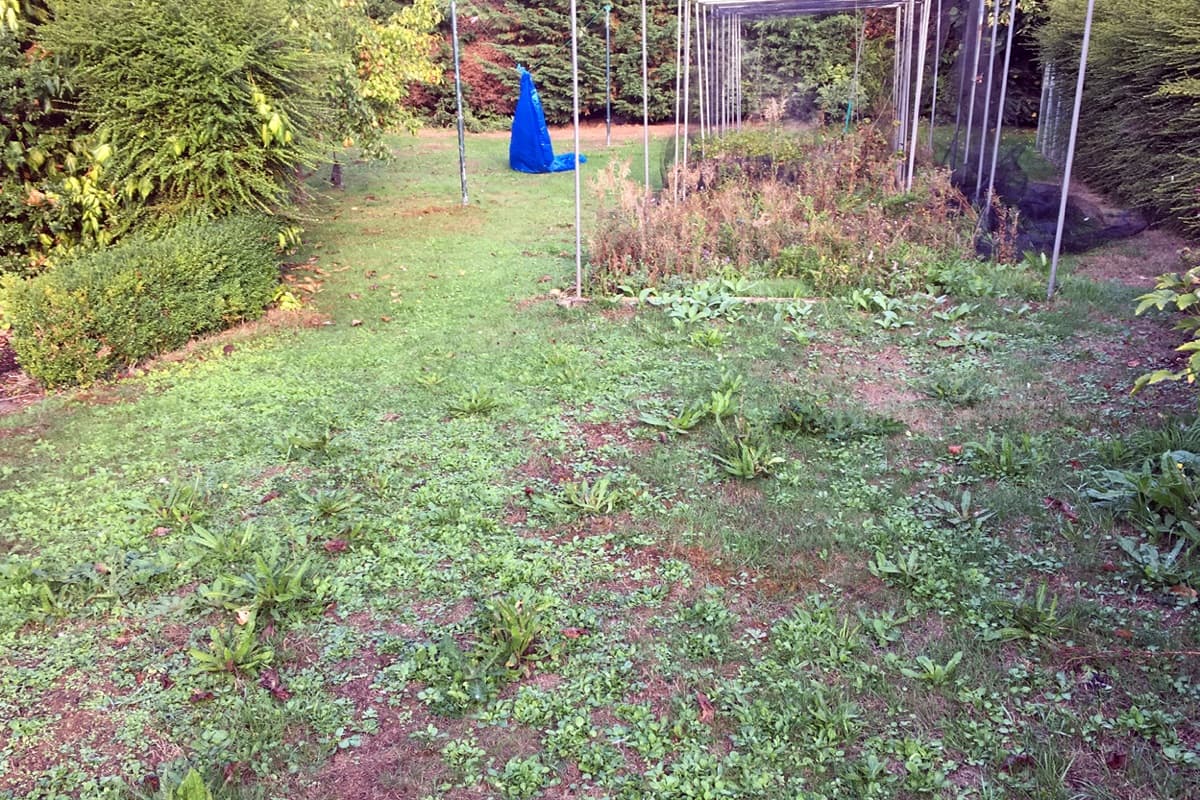
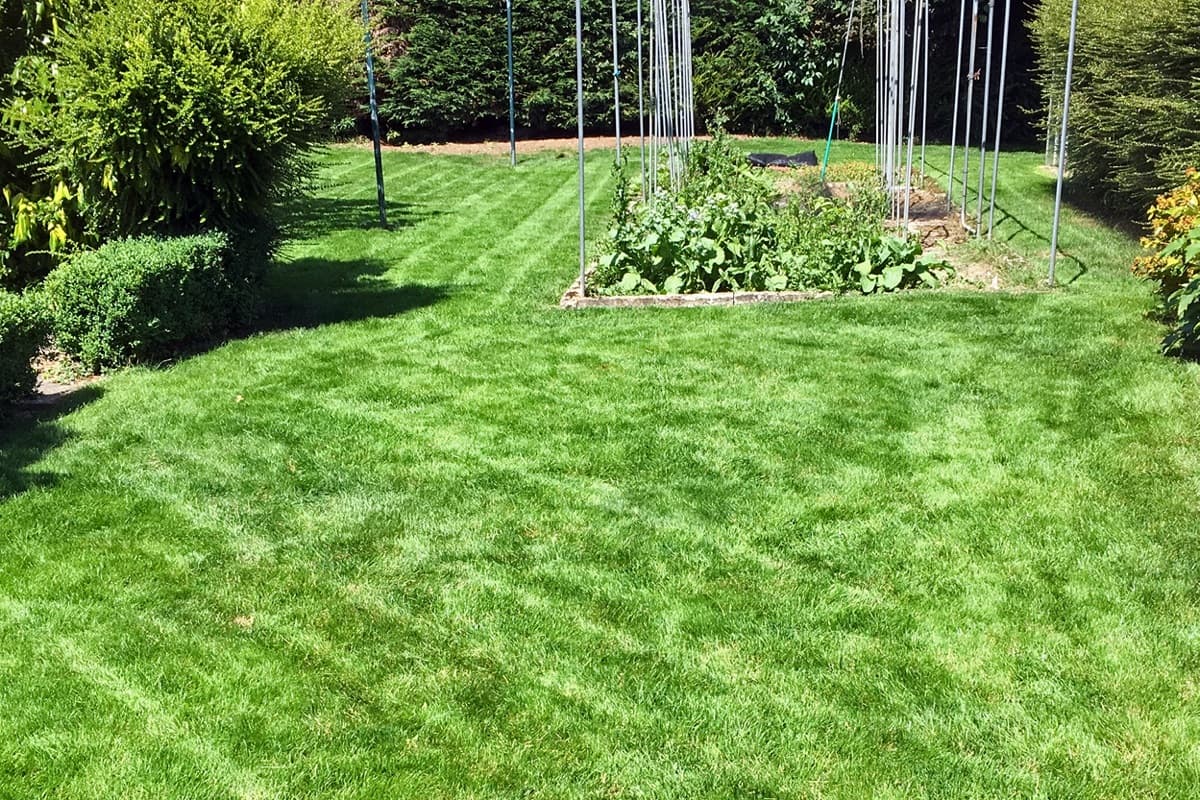
Weed-infested to clean, thick lawn
Danbury, CM3
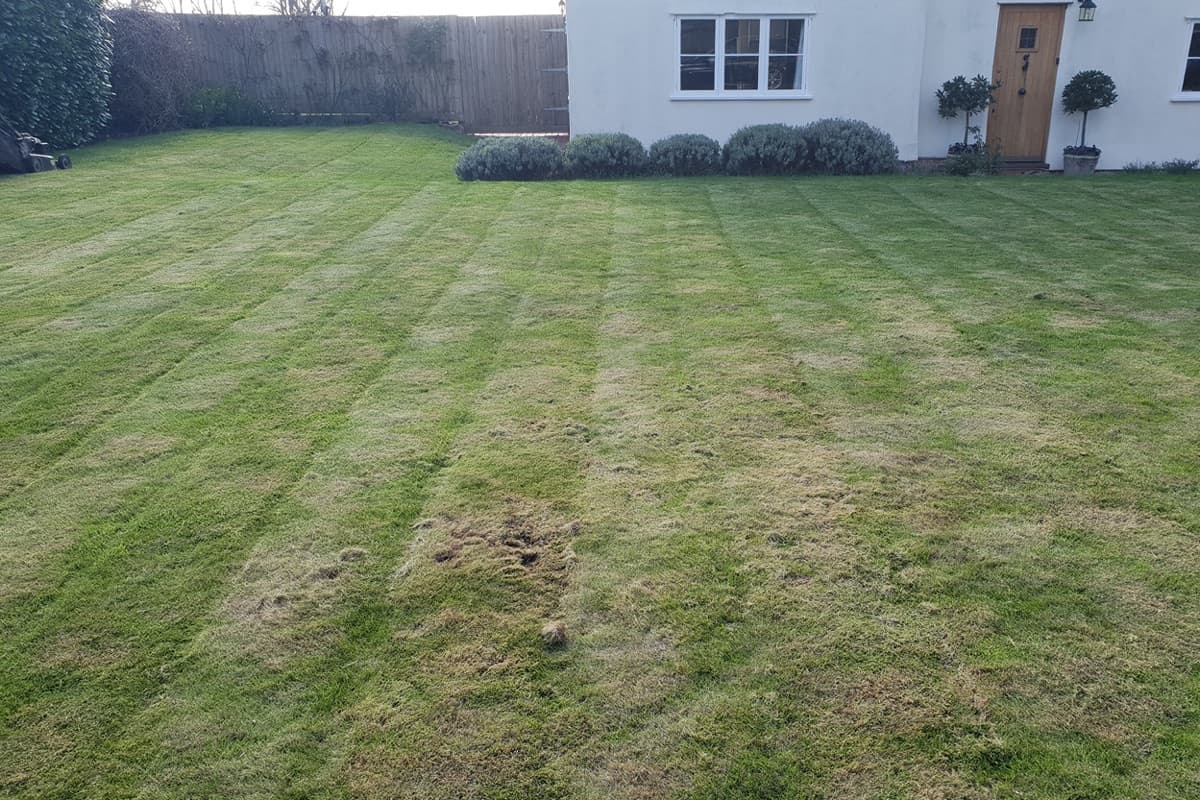
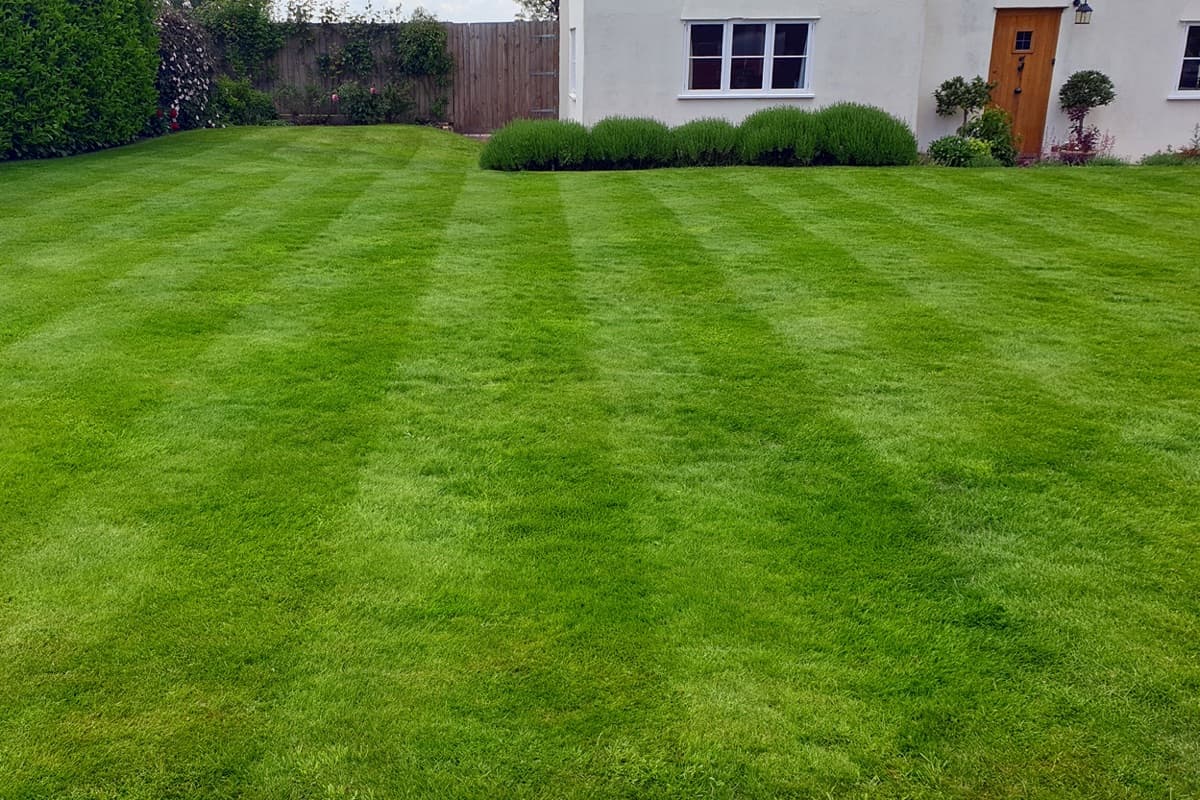
Thatchy and mossy to thick striped lawn
Chelmsford, CM2
Moss control is included
Both the Lawn Health and Full Lawn Care plans include mechanical moss removal, aeration, overseeding and topdressing as part of the annual Autumn Renovation. If you're on our Cutting Only plan, we can add moss treatment as a quoted service.
Not on a plan? We can quote for standalone moss treatment too. Book a free survey and we'll assess what your lawn needs.
Moss control questions
Why is moss so common in Essex lawns?
Can moss be completely eliminated?
Why don’t you use iron sulphate like other companies?
Tired of fighting moss?
Book a free survey and we'll assess your moss levels and identify what's causing them. You'll get a personalised lawn assessment, yours to keep, whether you sign up or not.
Not ready to book? Read how a free survey works · Check if we cover your area · See pricing
From 70% moss to lush green. No staining, no iron sulphate, no shortcuts.